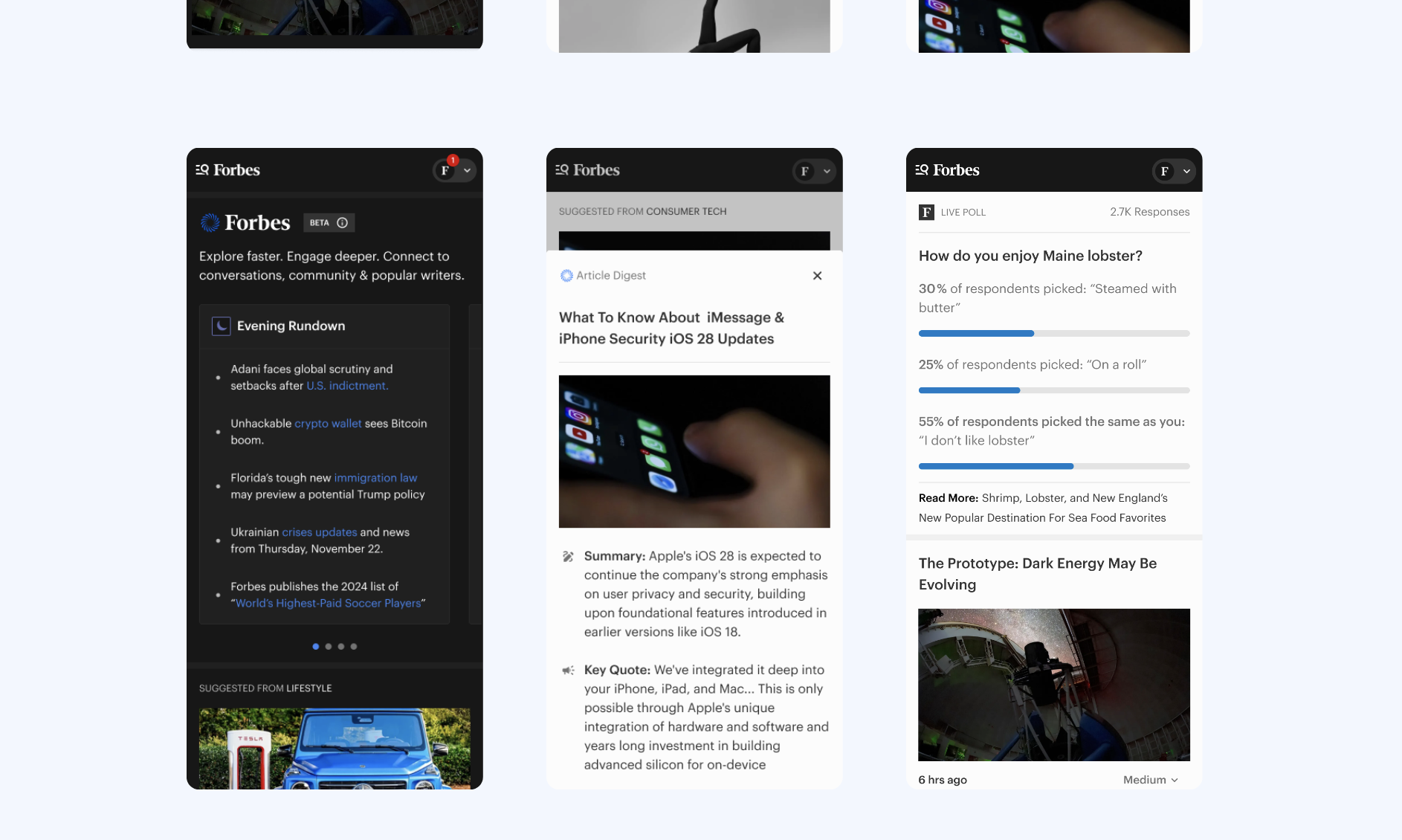
FUEL: Advanced Search & Custom List Creation
Introduction: Setting the scene
Forbes has a rich history of providing insightful content to its audience. One of the ways it does this is through its lists' reporters who collect and analyze data to create lists like Forbes' flagship list, 30 under 30, to more niche ones like America's Best Employers.
The Problem
The process of creating these lists is time-consuming as while reporters collected the data, retrieval of that data was engineering-reliant, and therefore, not scalable.Editors needed custom lists built from our database. The only way to generate them was via engineering-written queries that would retrieve data from our MongoDB schema.
This created bottlenecks in the list creation process through delays, back-and-forth on requirements, and increased work for database engineers.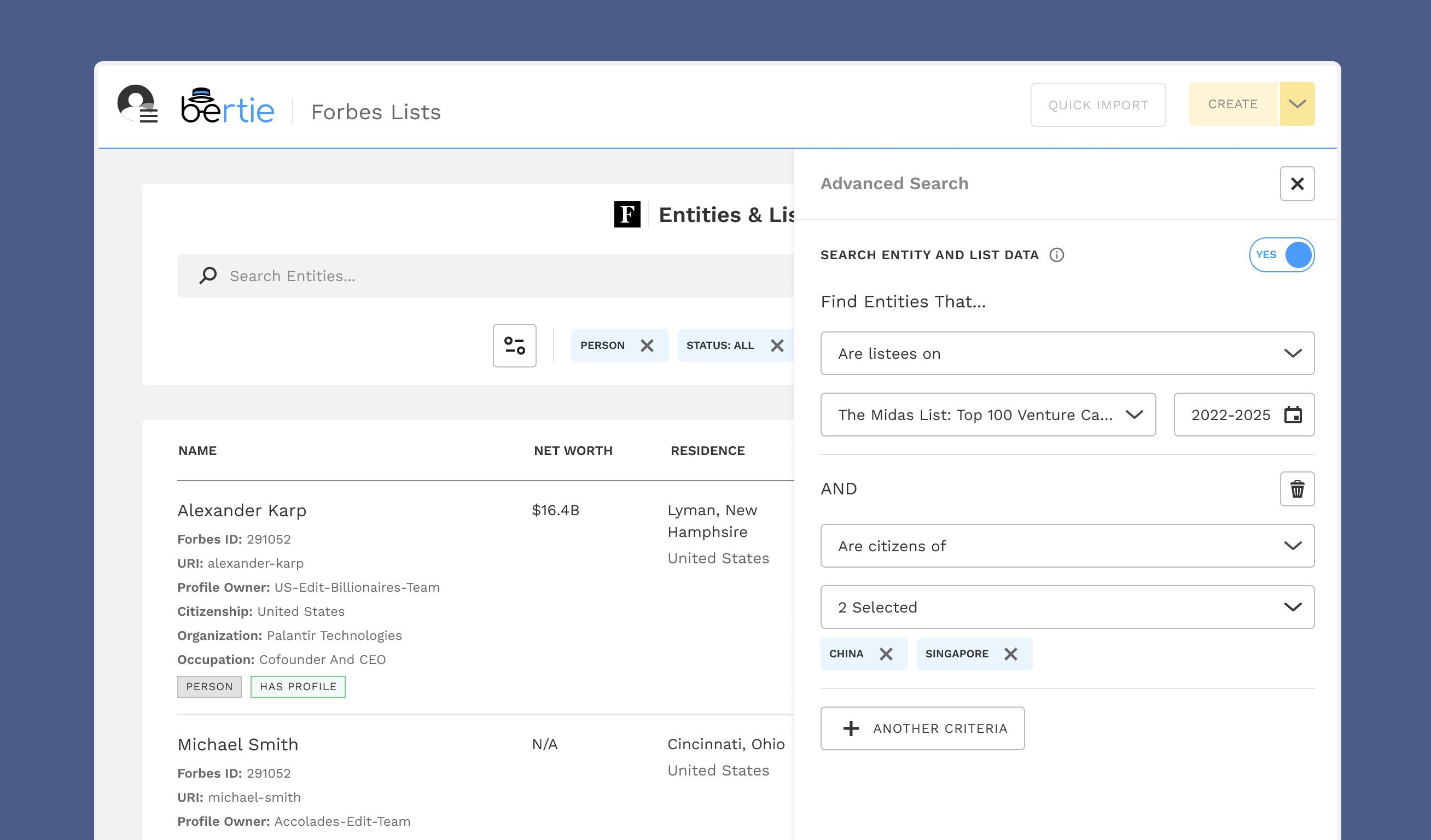
Why This Matters
This was an engineering led effort to empower editors to create custom lists from our database. As a product pod, we had just introduced Forbes Unified Engine For Lists (FUEL) which serves as a foundation for all list creation and profile management.
Within this workflow, engineers also wanted to reduce the Lists team's dependency when it came to retrieving custom data from our database.
Product Opportunity
As list editors had no technical background in querying a database, we saw a product opportunity to create user-friendly ways for list editors to interface with the database to retrieve custom list data.
How Might We Statement
By understanding the product opportunity, we were able to create a how might we statement that would guide us in the direction of the solution.
How might we abstract the complexity of interacting with a database, and turn that into a user-friendly query building experience?
Rule Based UI
This was the fun part because I had always wanted to design a rule based UI (🤓 nerd alert). I remember my manager and I sharing screenshots of UIs that excelled at turning database logic into natural-language workflows. One of the ones that struck me was HubSpot's IF/THEN rule builder.
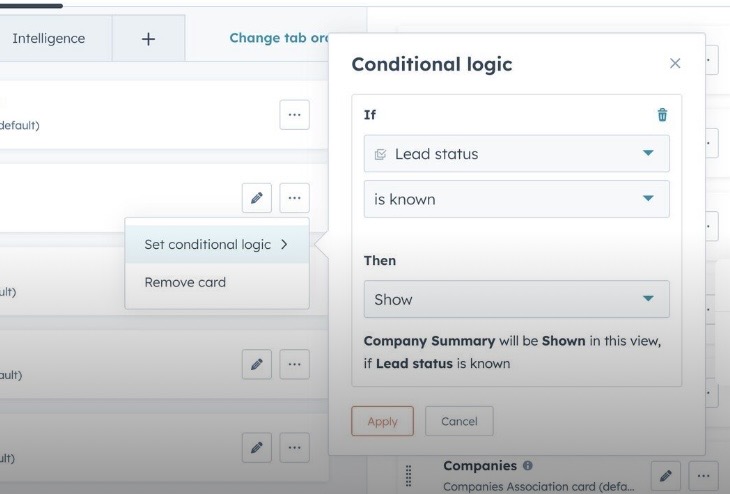
HubSpot's IF/THEN rule builder.
Reduced Cognitive Load
Mature B2B tools like HubSpot's UI achieved reducing cognitive load by exposing structured logic through an almost "fill in the blank" like experience.
The Solution
The key insight I took from our pattern research was constrained drop-down based builders made complex logic feel manageable when conditions are presented in blocks, and conditions are selected rather than typed. This allowed for quick customization of queries without the need for technical knowledge.
Removing The Complexity Of Querying A Database
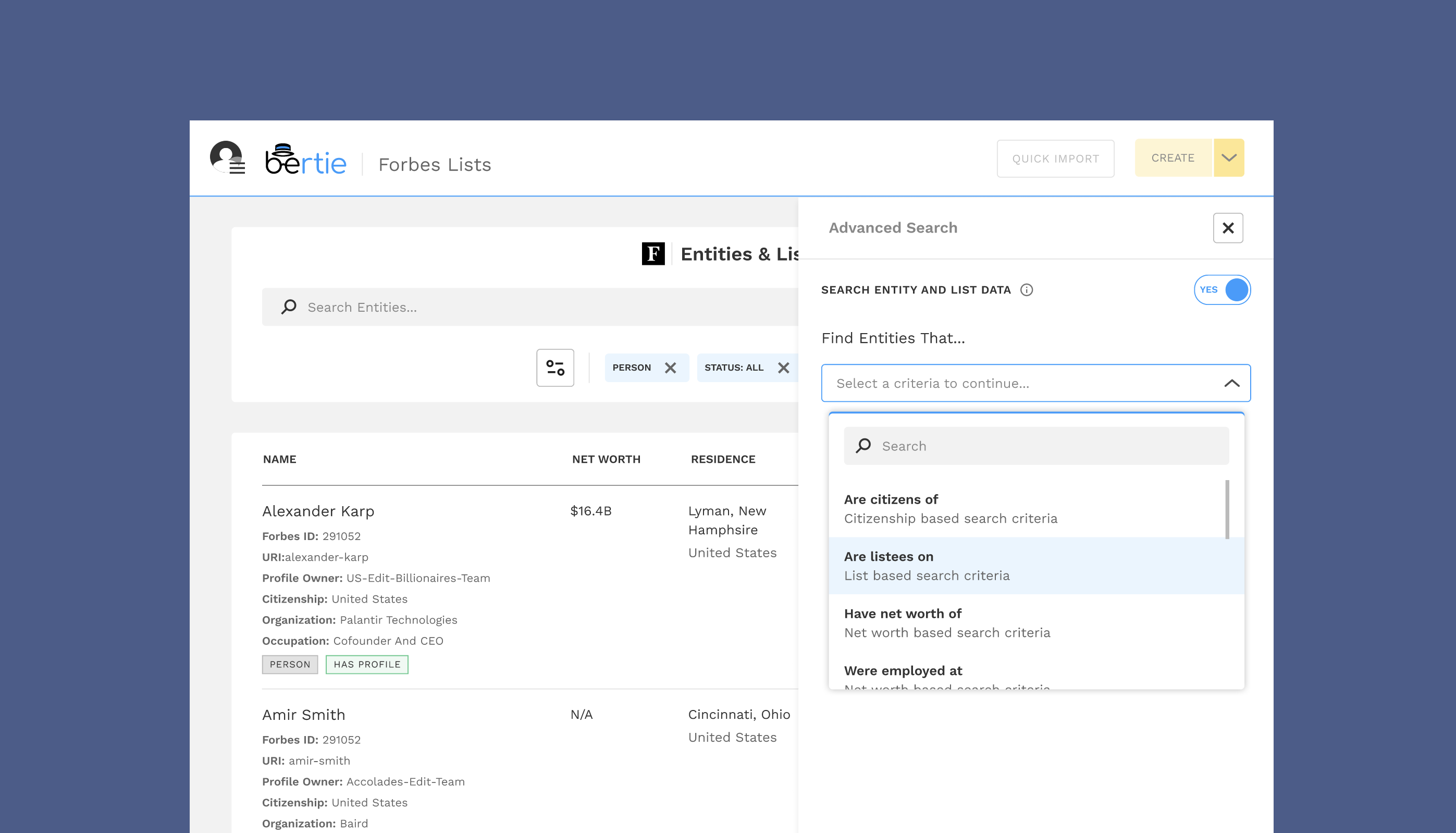
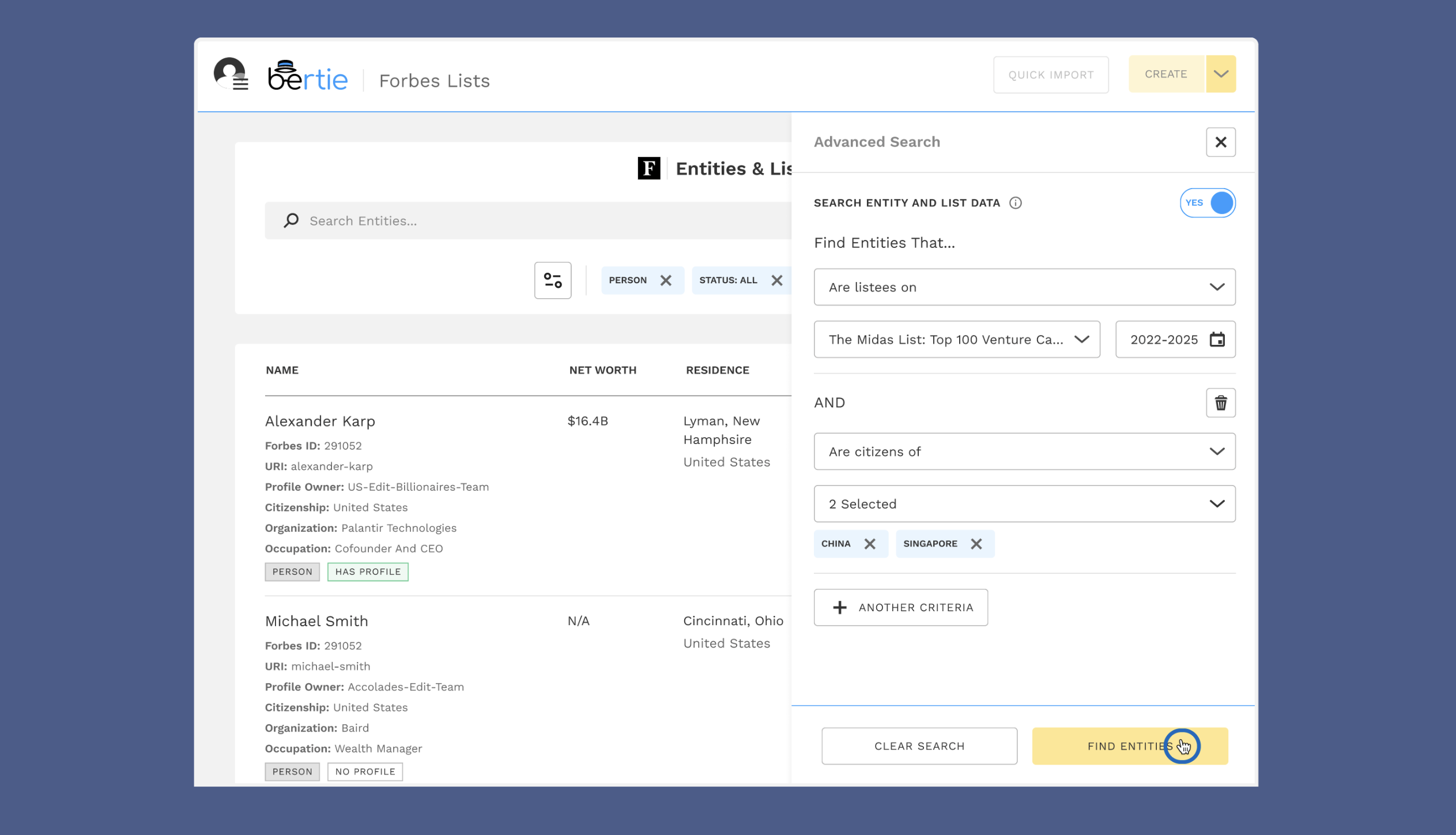
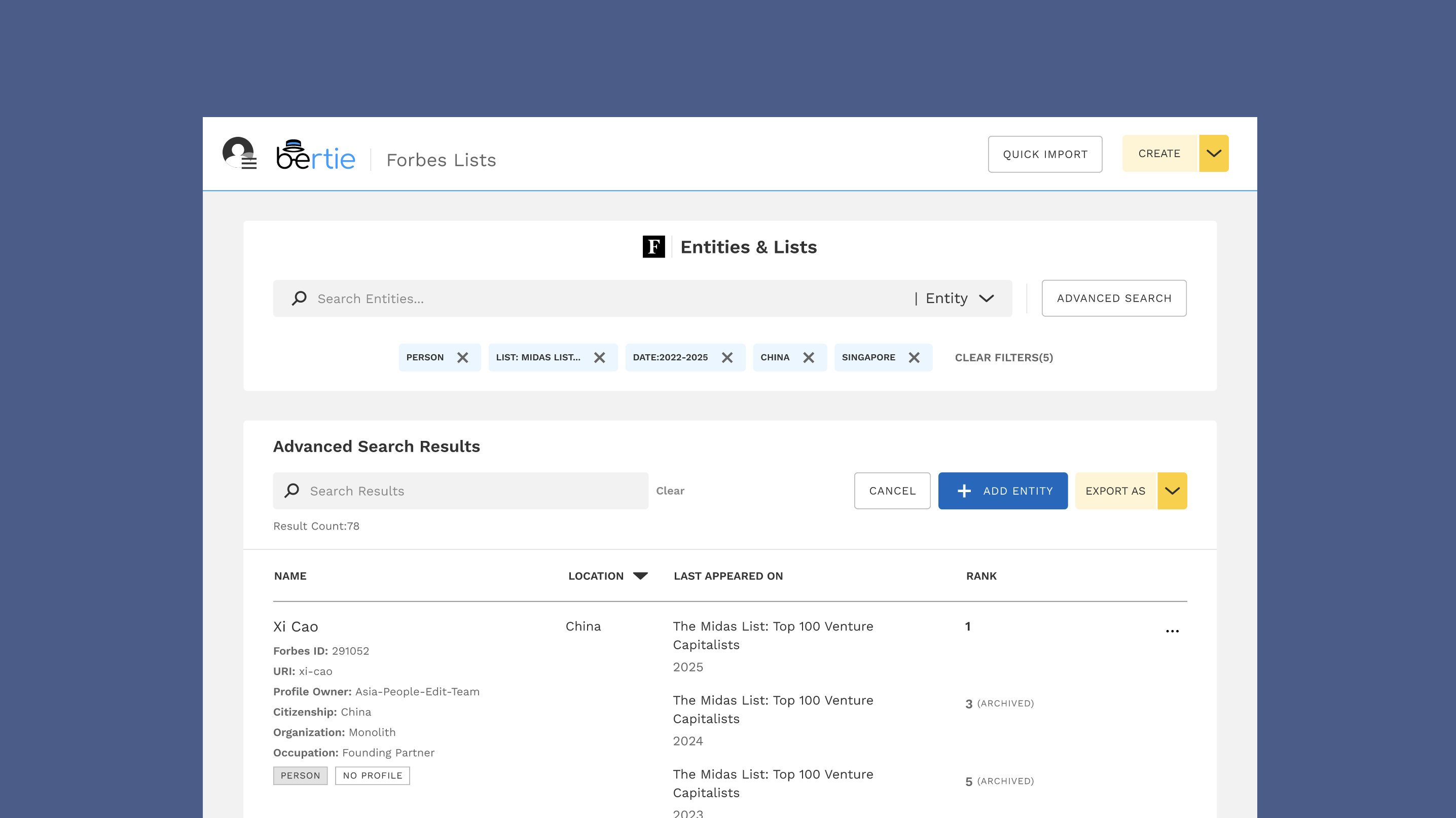
The advanced search feature was designed to remove the complexity of querying a database by allowing list editors to create custom lists by simply selecting their criteria/conditions.
This was achieved by using a constrained drop-down based builder that allowed for quick customization of queries without the need for technical knowledge.
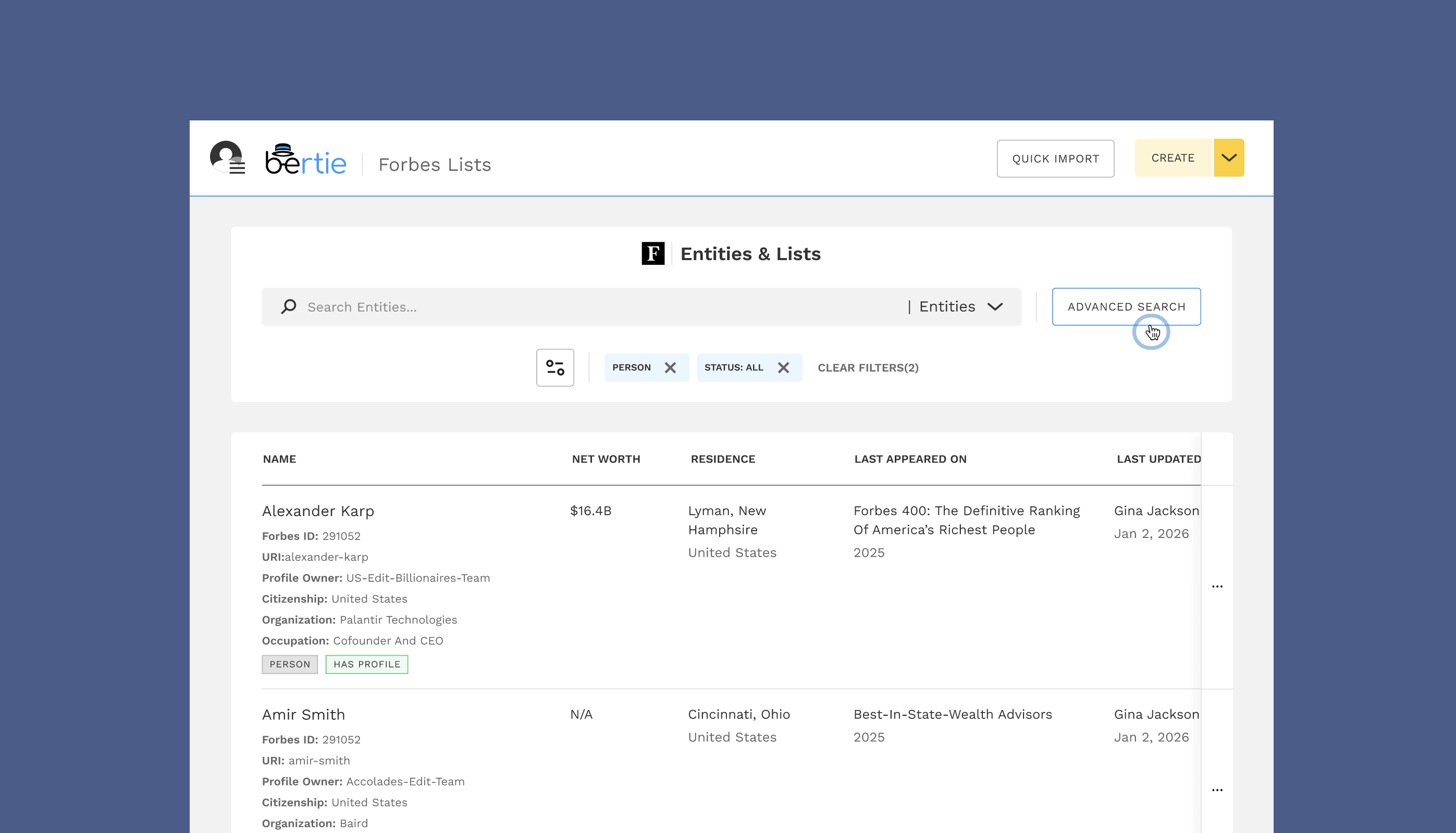
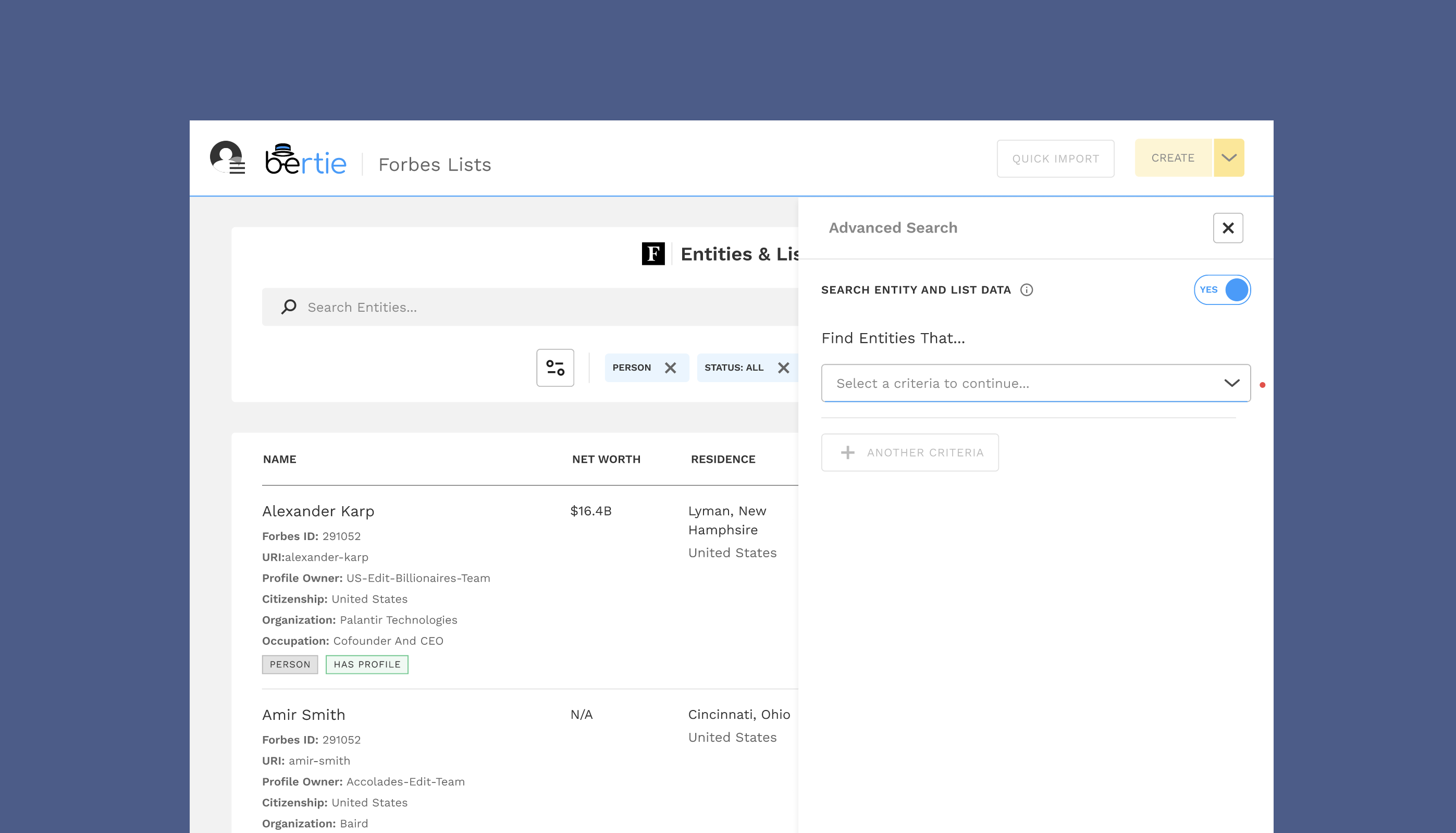
Adding Criteria & Conditions
A custom list can have multiple criteria and conditions that make a listee eligible for it. This meant we had to provide a robust list of criteria/conditions to choose from. The real win here was making querying feel like completing a sentence.
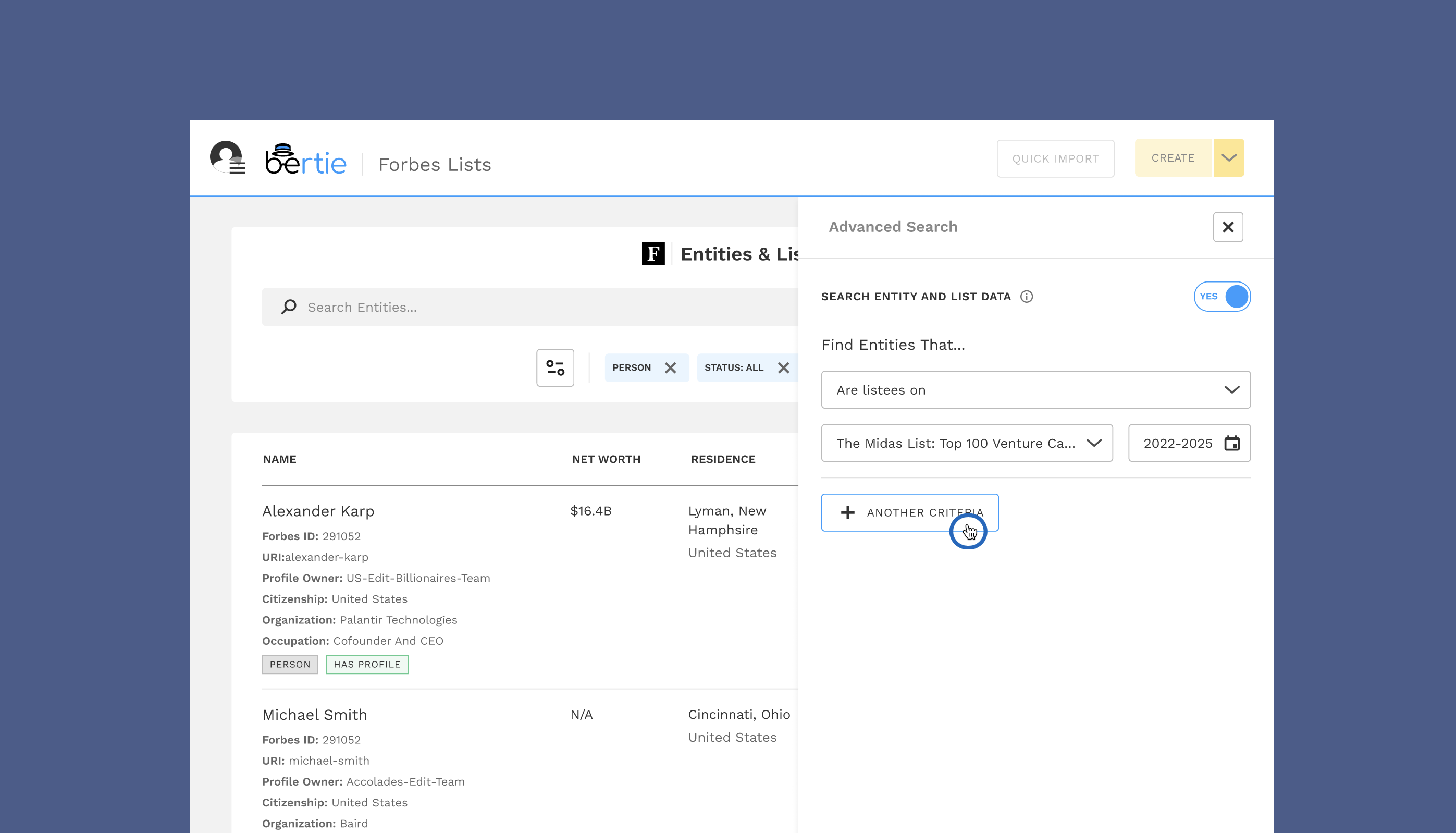
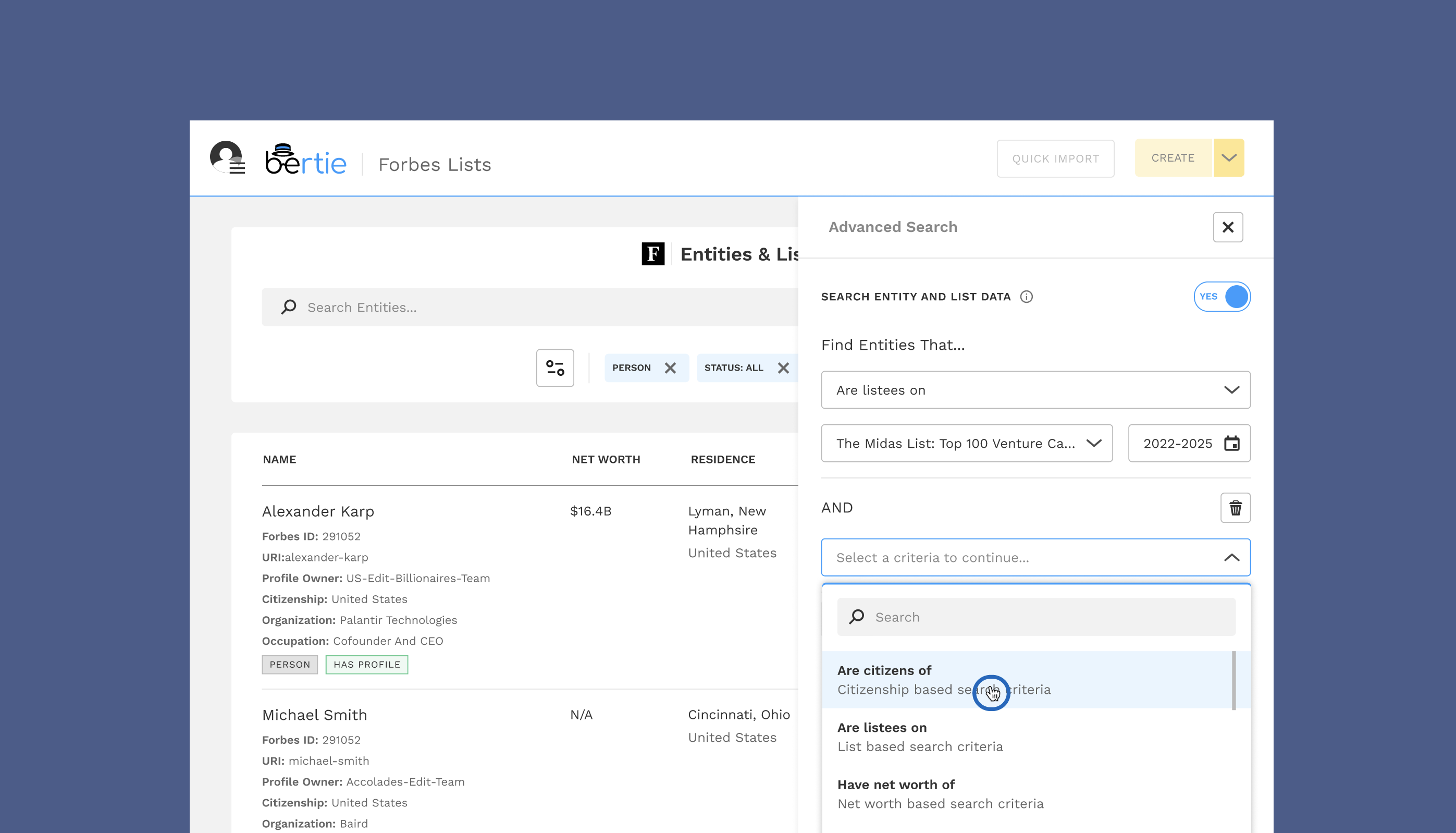
Creating Logic By Layering Conditions/Criteria
Users could layer multiple conditions to construct precise, multi-constraint queries enabling "AND-based" logic to structure highly specific criteria for list eligibility.
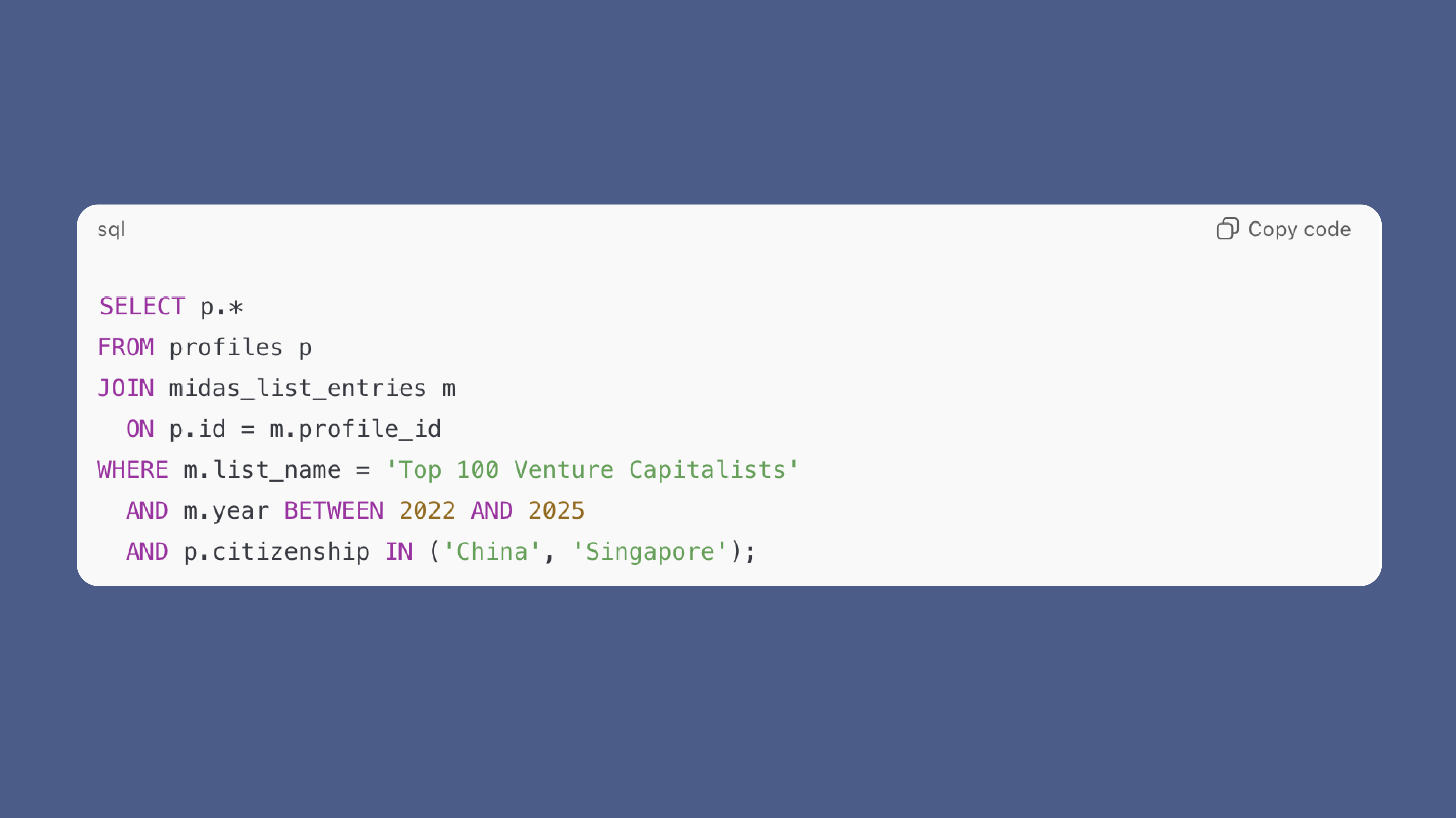
So, Should List Editors Learn SQL?
No, list editors don't need to learn SQL to query a database anymore. Neither do they need to rely on engineers. Now, or at least in the near future, when there's a need to find listees that fit within their custom list criteria; they'll just have to use Advanced Search's fill in the blank querying experience.
Lessons Learned: Why This Experience Mattered
This project reinforced how deeply workflow design shapes organization
velocity. Editorial iteration speed was constrained by engineering bandwidth and by introducing
this structured query builder in Advanced Search, List editors can see a future without dependency on engineers. This will also allow them to generate highly targeted lists through a self-serve query system.
Other than that, this project as part of the larger FUEL initiative, taught me how to work on projects that are engineering led and how to
lead with inquiry before jumping to solutions.
The product has not yet fully launched, so measurable outcomes are still forthcoming. However, the north star was clear:
- Reduce engineering dependency
- Increase editorial autonomy
- Shorten iteration cycles for list creation
This project represented the first incremental step toward that system-level shift.